Sewage Field Installation in Columbus, OH
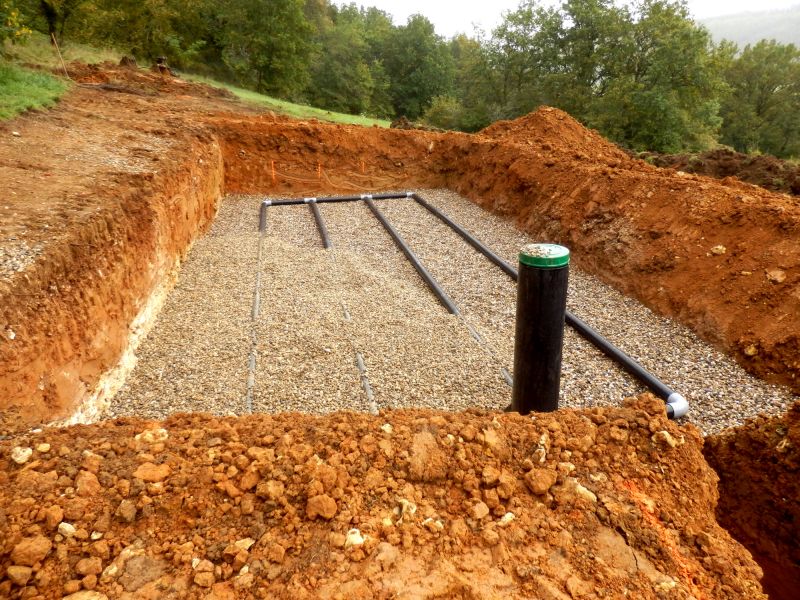
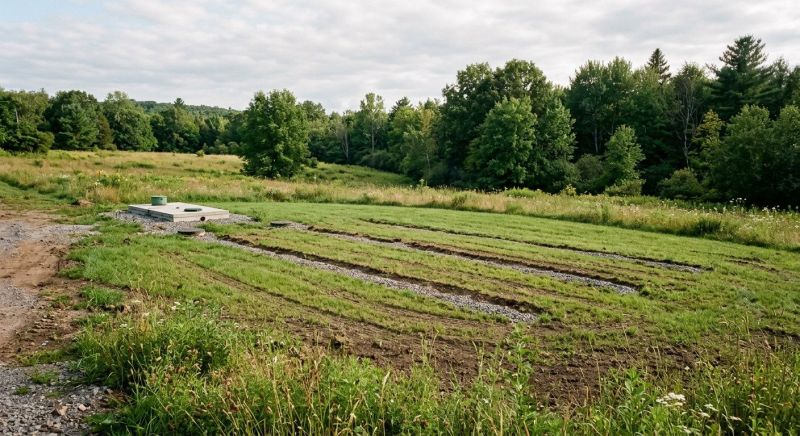
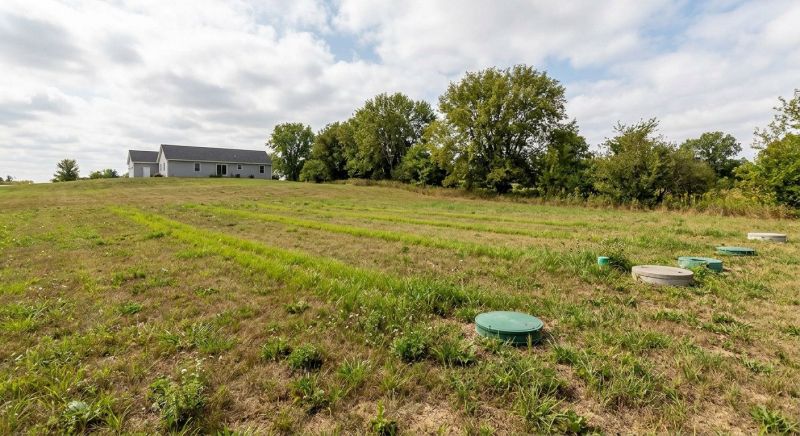
Sewage field installation services involve setting up underground systems that manage wastewater from residential properties. These systems typically include septic tanks and drain fields designed to safely treat and disperse sewage on-site, making them essential for homes not connected to municipal sewer lines. Projects can range from installing new systems for newly built homes to replacing or upgrading existing fields that no longer function properly. Property owners often want to understand the size and capacity of the system needed for their household, site conditions that may affect installation, and any local regulations or permits required for the project.
Before requesting sewage field installation, homeowners should consider the property's soil type, drainage patterns, and accessibility for construction equipment. It's also helpful to know the location of existing underground utilities and any restrictions imposed by local authorities. Proper planning ensures the system will operate efficiently and meet health and environmental standards. Contacting a professional for assessment and guidance can help property owners determine the best solution for their specific site and ensure the installation process complies with all relevant codes.
Many property owners in Columbus, OH look into Sewage Field Installation for repairs, replacements, upgrades, and appearance-related improvements.
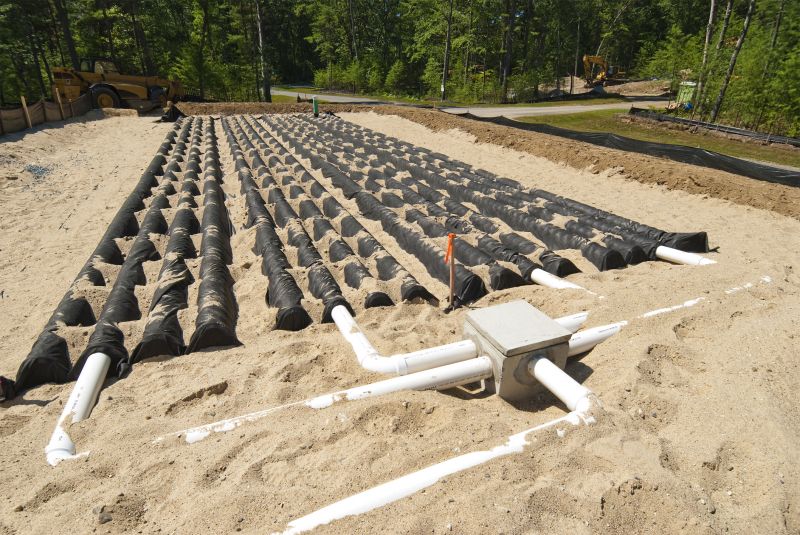
Proper Sewage Field Design
Ensuring the sewage field is properly planned for efficient waste management on residential and commercial properties.
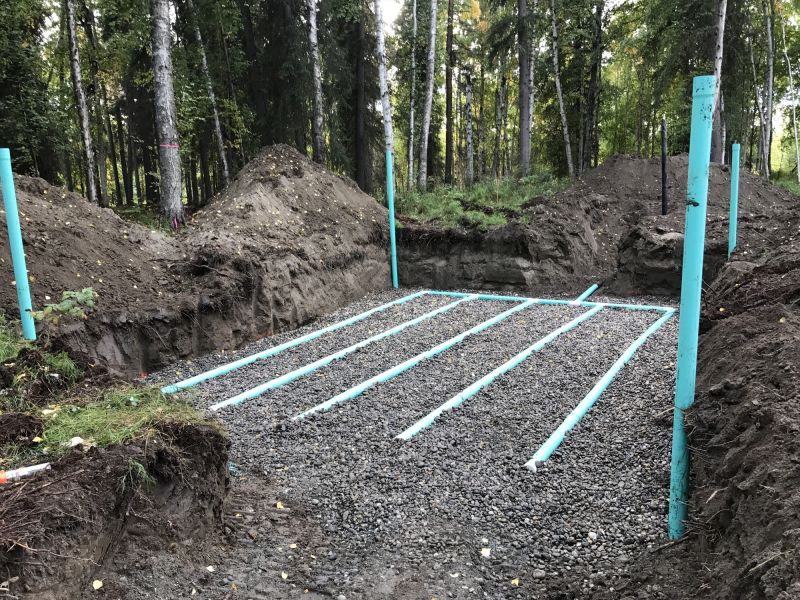
Septic System Installation
Installing new sewage fields to accommodate property expansion or replacement of outdated systems in columbus, oh.
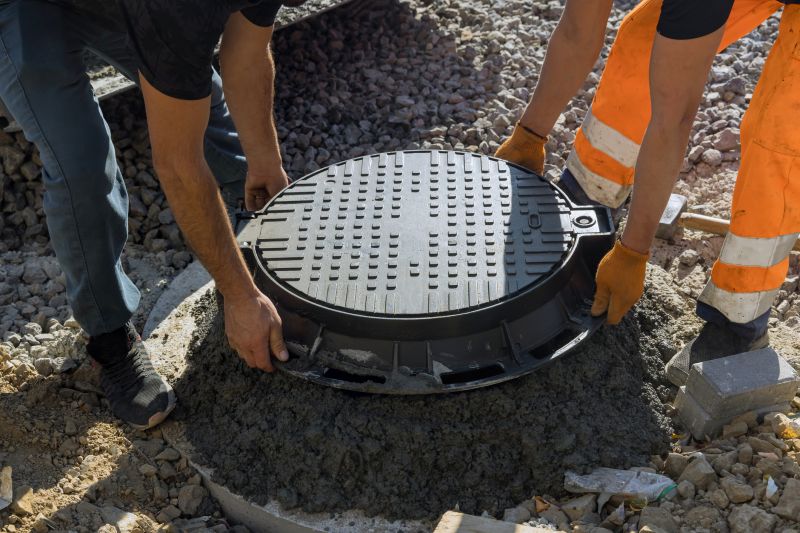
Maintenance And Repair Services
Providing routine inspections, repairs, and upgrades to keep sewage fields functioning reliably and prevent system failures.
Sewage Field Installation in Columbus, OH
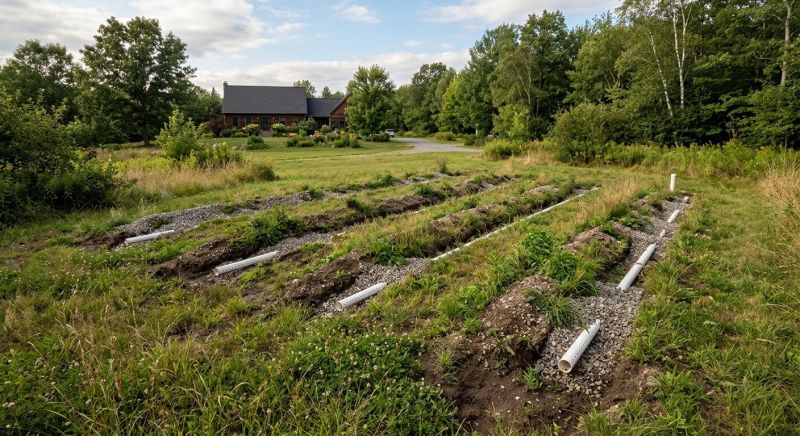
Sewage field installation services involve setting up underground systems that manage wastewater from residential properties. These systems typically include septic tanks and drain fields designed to safely treat and disperse sewage on-site, making them essential for homes not connected to municipal sewer lines. Projects can range from installing new systems for newly built homes to replacing or upgrading existing fields that no longer function properly. Property owners often want to understand the size and capacity of the system needed for their household, site conditions that may affect installation, and any local regulations or permits required for the project.
Before requesting sewage field installation, homeowners should consider the property's soil type, drainage patterns, and accessibility for construction equipment. It's also helpful to know the location of existing underground utilities and any restrictions imposed by local authorities. Proper planning ensures the system will operate efficiently and meet health and environmental standards. Contacting a professional for assessment and guidance can help property owners determine the best solution for their specific site and ensure the installation process complies with all relevant codes.
Many property owners in Columbus, OH look into Sewage Field Installation for repairs, replacements, upgrades, and appearance-related improvements.
Common Sewage Field Installation Jobs
Sewage Field Installation - Proper installation ensures effective waste management for residential and commercial properties.
Septic Drain Field Setup - Installing drain fields to prevent backups and protect groundwater quality.
Leach Field Construction - Building leach fields that safely disperse treated sewage into the soil.
Septic System Placement - Selecting optimal locations for septic system components to maximize efficiency.
Drain Field Repair - Restoring functionality of existing drain fields to prevent system failure.
Sewage System Upgrades - Modernizing outdated systems to meet current standards and improve performance.

Sewage Field Installation Questions
What is sewage field installation? It involves setting up a drainage system to safely dispose of wastewater from a property.
What types of properties typically need sewage field installation? Residential homes, commercial buildings, and properties with septic systems often require this service.
How can I tell if my property needs a new sewage field? Signs include persistent odors, standing water, or backups in plumbing fixtures.
What should property owners consider before installing a sewage field? Factors include property size, soil conditions, and local regulations to ensure proper setup.
Request Sewage Field Installation in Columbus, OH
Use the quote form on this page to share the basics of your project and request more information for the type of work you need.