Septic System Relocation in Denver, CO
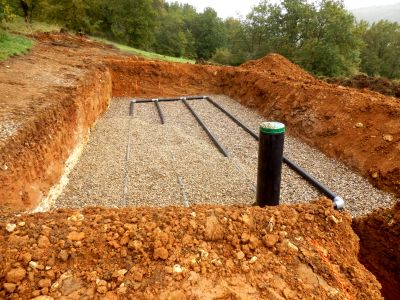
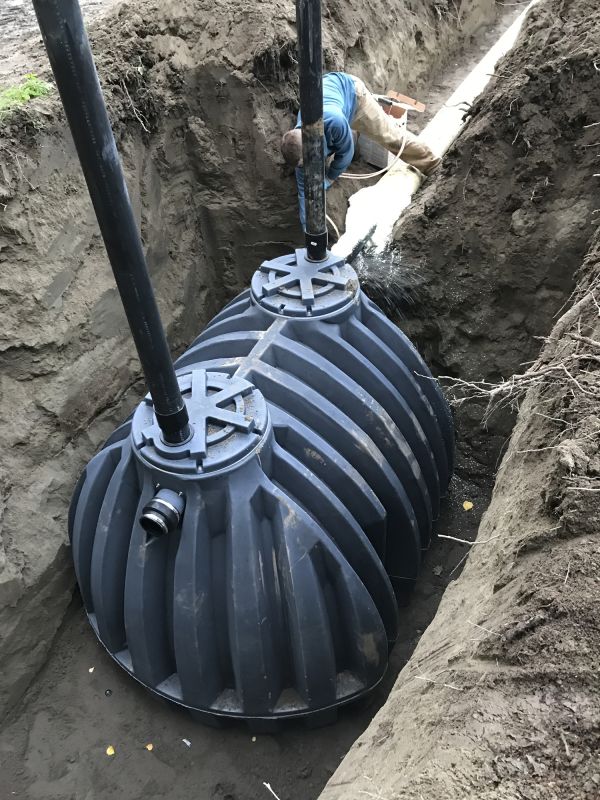
Septic system relocation involves moving an existing septic tank and drain field to a new area of a property. This service is often requested during property renovations, expansions, or when the current system no longer functions efficiently due to changes in land use or property layout. Projects typically include assessing the site, designing a new system layout, and safely installing the septic components in the new location. Homeowners should understand the importance of proper site evaluation, local code compliance, and the potential impact on property value before requesting a septic system move.
Property owners interested in septic system relocation should consider factors such as the distance of the new site from existing structures, accessibility for future maintenance, and the suitability of the land for septic absorption. It is also helpful to review local regulations and permitting requirements to ensure a smooth process. Clear communication about the scope of work, potential disruptions, and any necessary site preparations can help homeowners make informed decisions and plan accordingly for this type of project.
Many property owners in Denver, CO look into Septic System Relocation for repairs, replacements, upgrades, and appearance-related improvements.
Reasons For Septic System Relocation
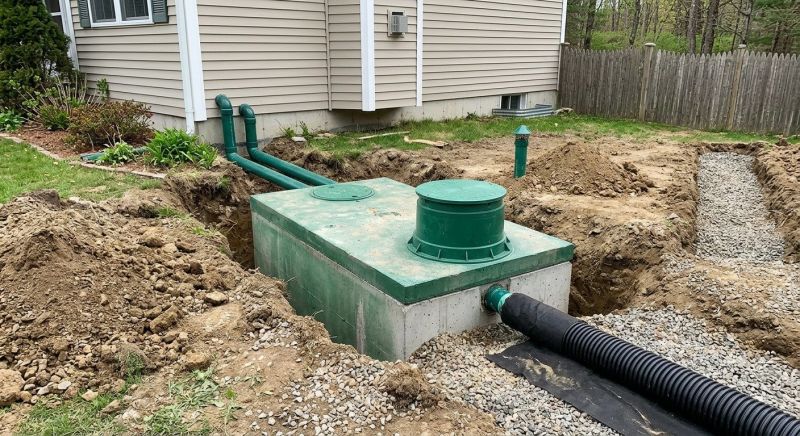
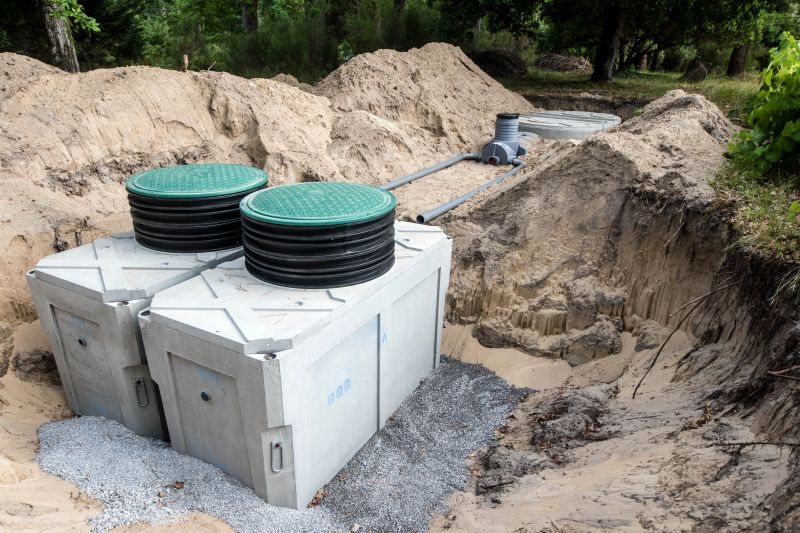
Septic systems may need to be moved due to property expansion, new construction, or site constraints.
Key Considerations For Moving A Septic System
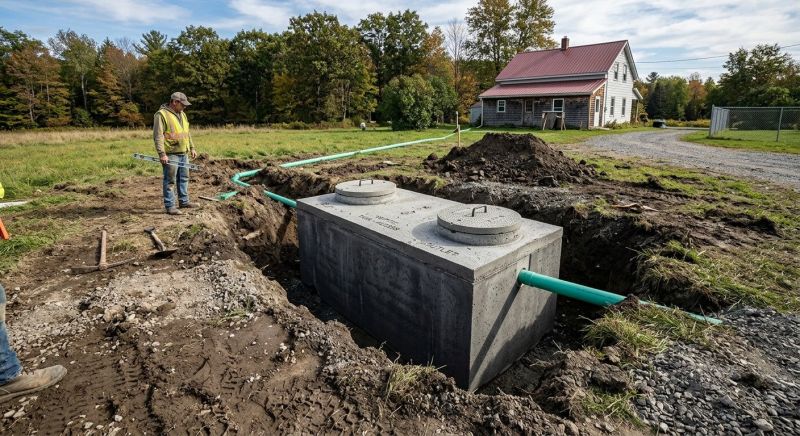
Proper planning involves assessing soil conditions, ensuring regulatory compliance, and selecting an appropriate new location.
Benefits Of Professional Septic Relocation
Expert services help ensure the system functions efficiently and meets local health and safety standards in denver and nearby areas.
Septic System Relocation in Denver, CO
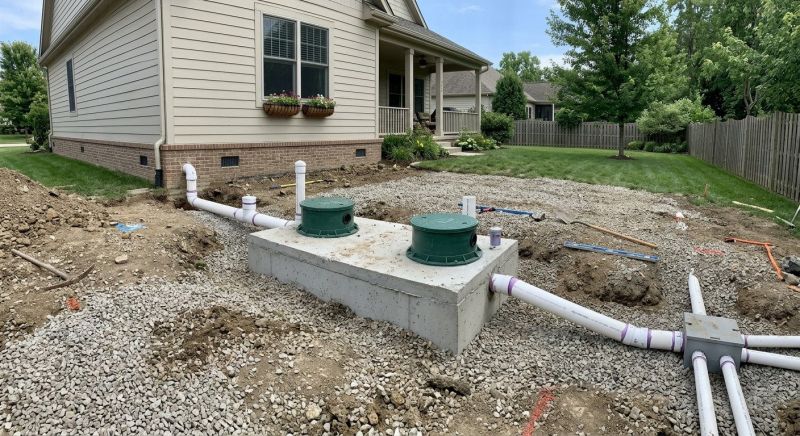
Septic system relocation involves moving an existing septic tank and drain field to a new area of a property. This service is often requested during property renovations, expansions, or when the current system no longer functions efficiently due to changes in land use or property layout. Projects typically include assessing the site, designing a new system layout, and safely installing the septic components in the new location. Homeowners should understand the importance of proper site evaluation, local code compliance, and the potential impact on property value before requesting a septic system move.
Property owners interested in septic system relocation should consider factors such as the distance of the new site from existing structures, accessibility for future maintenance, and the suitability of the land for septic absorption. It is also helpful to review local regulations and permitting requirements to ensure a smooth process. Clear communication about the scope of work, potential disruptions, and any necessary site preparations can help homeowners make informed decisions and plan accordingly for this type of project.
Many property owners in Denver, CO look into Septic System Relocation for repairs, replacements, upgrades, and appearance-related improvements.
Common Septic System Relocation Jobs
Septic System Relocation - services involve moving an existing septic system to a new location on the property.
Property Expansion - projects include relocating septic systems to accommodate additions or new structures.
Drainfield Replacement - services may involve shifting drainfields to improve system efficiency and compliance.
Property Development - septic relocations support new construction or land development projects.
System Upgrades - relocating septic systems can be part of upgrading to meet current standards or capacity needs.
Site Assessment and Planning - involves evaluating property conditions to determine the best location for system relocation.
Septic System Relocation Questions
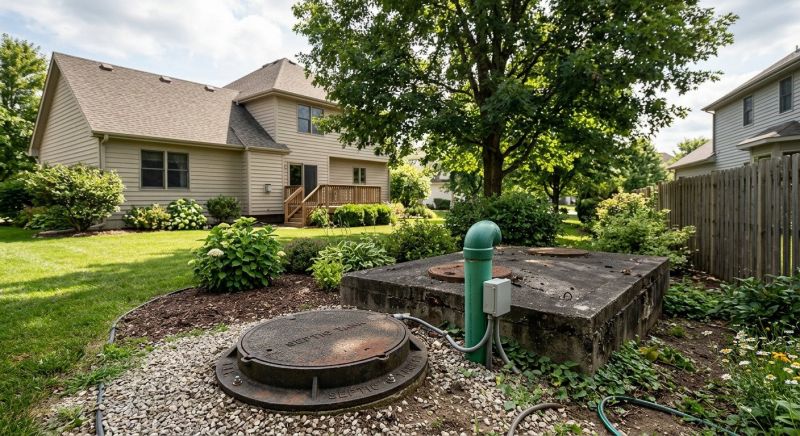
What is septic system relocation? Septic system relocation involves moving an existing septic tank and drain field to a different area on the property to accommodate construction or landscaping needs.
Why might a property owner need to relocate a septic system? A relocation may be necessary for new building projects, property expansion, or to improve system performance and compliance with regulations.
What should be considered before relocating a septic system? Factors include soil conditions, property layout, accessibility, and ensuring the new location meets local setback requirements.
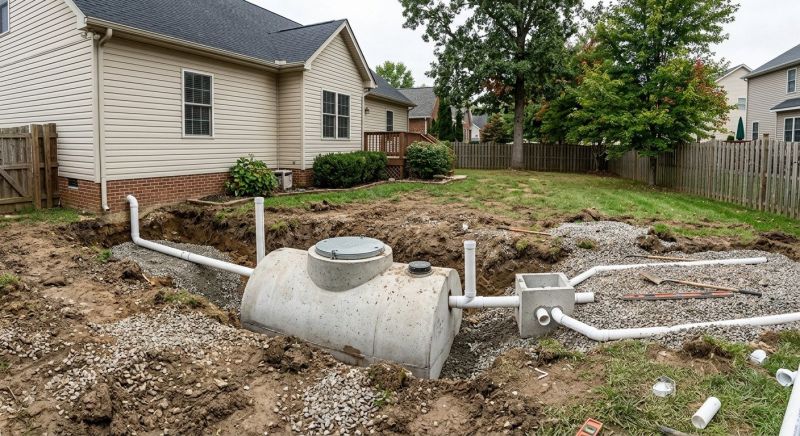
How does the relocation process typically work? It involves disconnecting the existing system, excavating and transporting components, and installing them in the new location with proper connections and testing.
Request Septic System Relocation in Denver, CO
Use the quote form on this page to share the basics of your project and request more information for the type of work you need.