Septic System Replacement in Denver, CO
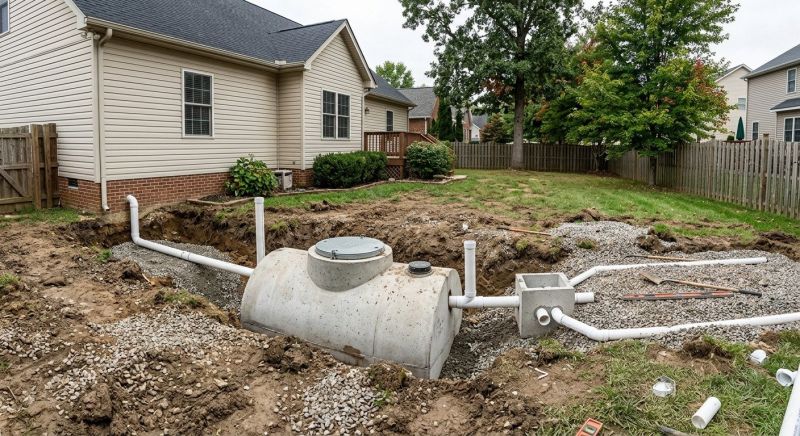
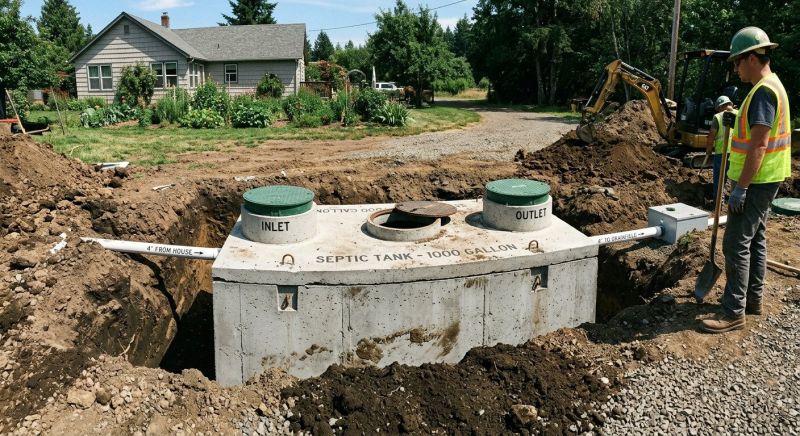
Septic system replacement services involve removing an existing septic system and installing a new one to ensure proper wastewater management for residential properties. These projects typically address issues such as system failure, age-related deterioration, or upgrades needed to meet current codes and standards. Property owners should understand the scope of the replacement process, including site preparation, excavation, and the type of septic system suitable for their property’s size and soil conditions. Clarifying the reasons for replacement and any necessary permits can help homeowners plan effectively and ensure the new system functions reliably for years to come.
Before requesting septic system replacement services, property owners often want to know about the different system options available, the installation process, and any potential disruptions to their property. It’s also helpful to understand the typical lifespan of a septic system and signs that replacement may be needed, such as persistent backups or foul odors. Gathering information on local regulations and maintenance requirements can support a smooth transition to a new septic system, ensuring it meets the property’s needs and complies with local standards.
Many property owners in Denver, CO look into Septic System Replacement for repairs, replacements, upgrades, and appearance-related improvements.
Signs You Need A Replacement
Indicators like persistent backups or system failures suggest it may be time for a new septic system.
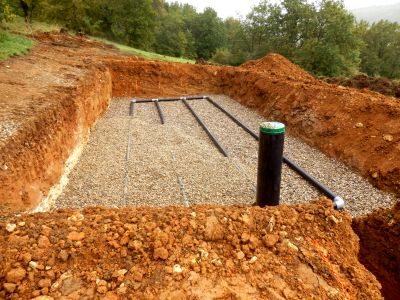
Septic System Options
Various replacement solutions are available to suit different property sizes and usage needs in denver, co.
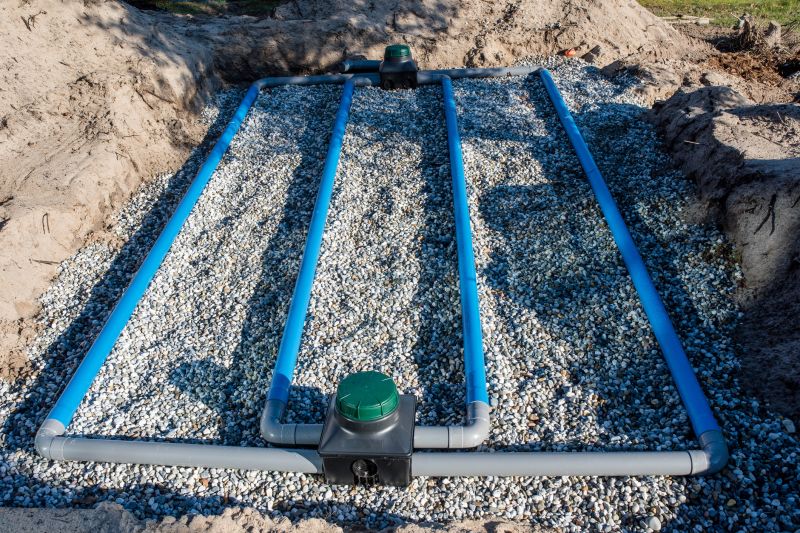
Installation Considerations
Proper site assessment and planning are essential for a successful septic system replacement on residential properties.
Septic System Replacement in Denver, CO
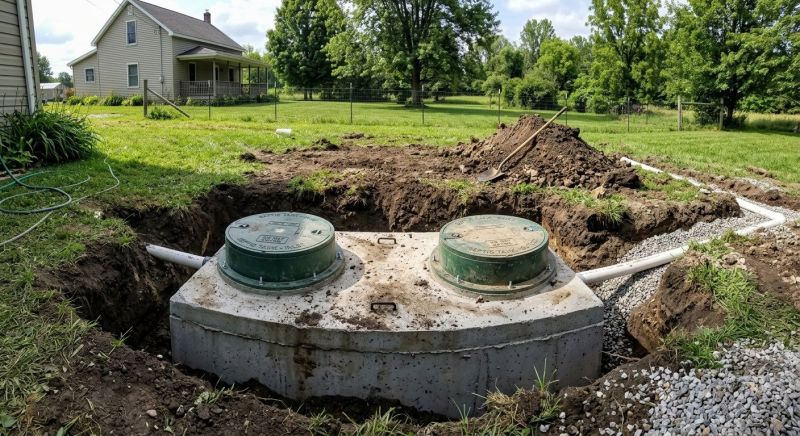
Septic system replacement services involve removing an existing septic system and installing a new one to ensure proper wastewater management for residential properties. These projects typically address issues such as system failure, age-related deterioration, or upgrades needed to meet current codes and standards. Property owners should understand the scope of the replacement process, including site preparation, excavation, and the type of septic system suitable for their property’s size and soil conditions. Clarifying the reasons for replacement and any necessary permits can help homeowners plan effectively and ensure the new system functions reliably for years to come.
Before requesting septic system replacement services, property owners often want to know about the different system options available, the installation process, and any potential disruptions to their property. It’s also helpful to understand the typical lifespan of a septic system and signs that replacement may be needed, such as persistent backups or foul odors. Gathering information on local regulations and maintenance requirements can support a smooth transition to a new septic system, ensuring it meets the property’s needs and complies with local standards.
Many property owners in Denver, CO look into Septic System Replacement for repairs, replacements, upgrades, and appearance-related improvements.
Common Septic System Replacement Jobs
Septic System Replacement - involves removing the old system and installing a new one to ensure proper waste management.
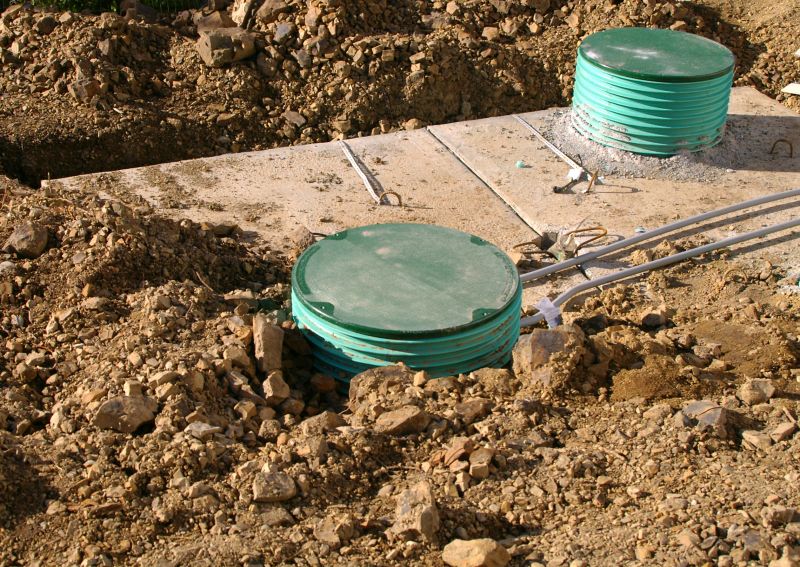
Septic Tank Replacement - replaces outdated or damaged tanks to prevent leaks and system failures.
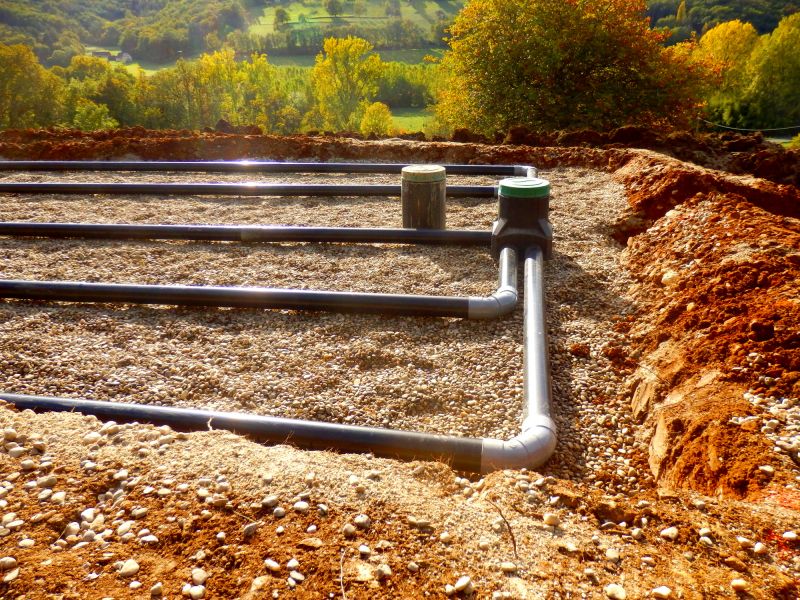
Drain Field Replacement - involves installing a new drain field to maintain proper wastewater dispersal.
Septic System Upgrade - updates existing systems to meet current standards and improve performance.
Complete Septic System Overhaul - replaces all components for optimal functionality and compliance.
Septic System Renovation - modernizes aging systems to extend lifespan and enhance efficiency.
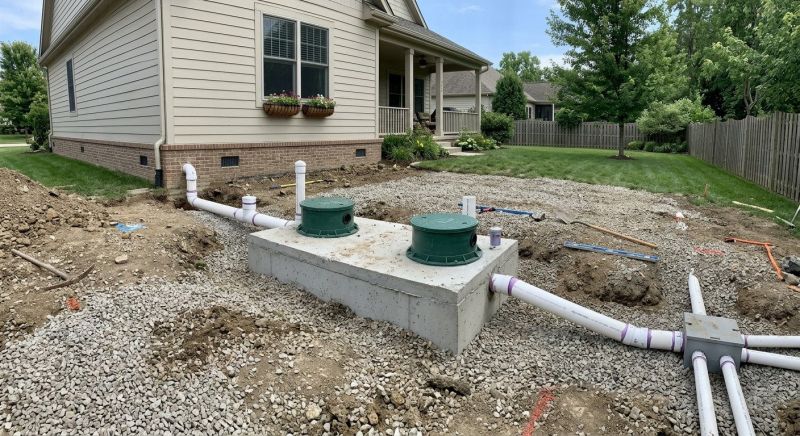
Septic System Replacement Questions
When is a septic system replacement necessary? Replacement is needed when the existing system fails, shows signs of persistent backups, or is outdated beyond repair.
What signs indicate a septic system needs to be replaced? Common signs include foul odors, slow drains, pooling water near the drain field, or frequent backups in plumbing fixtures.
What types of septic systems are available for replacement? Options include traditional gravity systems, pressure distribution systems, and alternative designs suited to site conditions.
How should property owners prepare for a septic system replacement? Property owners should ensure clear access to the site and review any local regulations or permits required for installation.
Request Septic System Replacement in Denver, CO
Use the quote form on this page to share the basics of your project and request more information for the type of work you need.